For running enthusiasts, each footfall represents both power and challenge. However, this seemingly simple motion carries hidden risks. Every impact with the ground generates tremendous force that, over time, may lead to knee pain, plantar fasciitis, or more serious sports injuries. How can runners enjoy their sport while minimizing these risks? The answer lies in running shoe cushioning technology.
This article examines the principles, applications, and evolution of running shoe cushioning systems, along with guidance for selecting the right cushioned shoes to protect runners' bodies and enhance performance.
Chapter 1: Understanding Cushioning and Its Importance
1.1 What Is Running Shoe Cushioning?
Running shoe cushioning refers to a shoe's ability to absorb and disperse the impact forces generated when the foot strikes the ground. Through specialized materials and structural design, this technology transforms the tremendous energy from foot strikes into absorbed, converted, or dispersed energy.
Without effective cushioning, impact forces transmit directly through joints, muscles, and bones like shockwaves, creating significant stress and potential damage. Quality cushioning systems act as precision buffers, converting these forces into heat or deformation energy to reduce bodily stress.
1.2 Why Cushioning Matters for Runners
Cushioning provides more than comfort—it's essential safety equipment that serves multiple critical functions:
1.2.1 Injury Prevention
By absorbing and dispersing impact forces, cushioning significantly reduces stress on joints (knees, ankles, hips) and muscles, lowering risks of common running injuries including:
-
Runner's knee (patellofemoral pain syndrome)
-
Achilles tendinitis
-
Plantar fasciitis
-
Stress fractures
-
Shin splints (medial tibial stress syndrome)
-
Hip pain and inflammation
1.2.2 Enhanced Comfort
Proper cushioning creates a more comfortable running experience by reducing impact sensations, making runs feel easier and extending duration. Quality cushioning provides a protective layer that transforms harsh impacts into smooth transitions.
1.2.3 Performance Improvement
While primarily protective, cushioning indirectly enhances performance by enabling consistent, injury-free training. Comfortable runners can focus better and maintain training continuity.
1.2.4 Extended Shoe Lifespan
Durable cushioning materials resist compression and wear, prolonging shoe life for better long-term value.
Chapter 2: Cushioning Technology Principles and Materials
Running shoe cushioning primarily relies on midsole materials and structural design. The midsole—located between the upper and outsole—serves as the impact absorption core.
2.1 Common Cushioning Materials
2.1.1 EVA (Ethylene-Vinyl Acetate) Foam
The most prevalent midsole material offers lightweight softness with good cushioning. Applications range from entry-level to mid-tier running shoes.
Pros:
Affordable, lightweight, decent cushioning
Cons:
Lower durability, prone to compression, limited energy return
2.1.2 TPU (Thermoplastic Polyurethane) Foam
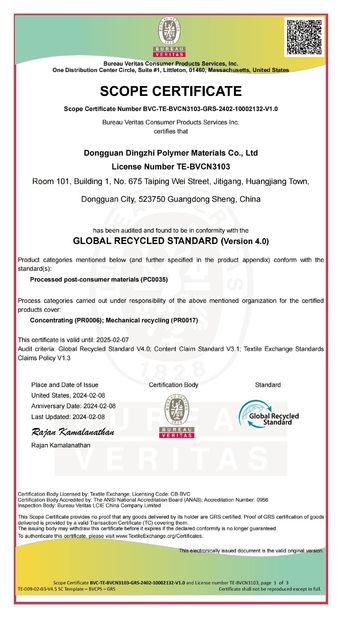
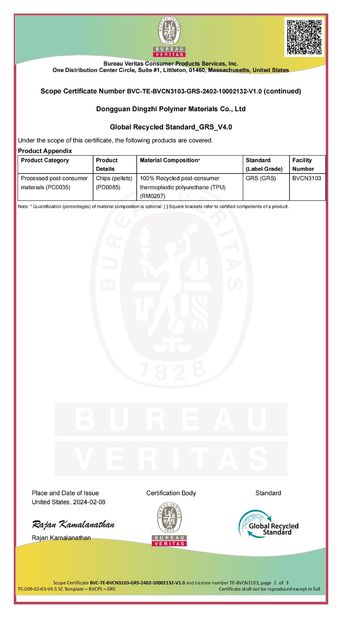
Compared to EVA, TPU provides superior energy return and durability, often featured in mid-to-high-end performance shoes.
Pros:
Excellent energy return, durable, superior cushioning
Cons:
Higher cost, relatively heavier
2.1.3 PEBA (Polyether Block Amide) Foam
This premium material combines ultralight weight with exceptional energy return and cushioning, typically reserved for elite racing shoes.
Pros:
Extremely lightweight, maximum energy return, outstanding cushioning
Cons:
Very expensive
2.1.4 Air Cushioning
Gas-filled units (air or nitrogen) provide lightweight impact absorption by dispersing forces across larger areas.
Pros:
Effective cushioning, lightweight, good durability
Cons:
Temperature/pressure sensitive, potential leaks
2.1.5 Gel Cushioning
Liquid/semi-solid materials excel at shock absorption by converting impact to heat energy.
Pros:
Superior shock absorption, comfortable, durable
Cons:
Relatively heavy, limited energy return
2.2 Structural Design Elements
Beyond materials, cushioning effectiveness depends on structural features:
-
Segmented midsoles:
Different zones provide targeted cushioning/ support
-
Rocker designs:
Promote smooth transitions to reduce foot stress
-
Geometric shaping:
Thickened midsoles or specialized grooves enhance performance
Chapter 3: Selecting the Right Cushioned Running Shoes
Choosing appropriate cushioned shoes requires considering several factors:
3.1 Running Style
-
Long-distance:
Maximum cushioning to reduce fatigue
-
Speed training:
Lightweight, responsive shoes
-
Daily running:
Balanced cushioning and comfort
-
Trail running:
Protective cushioning for uneven terrain
3.2 Body Weight
Heavier runners require more substantial cushioning to protect joints.
3.3 Foot Type
-
High arches:
Need extra cushioning for impact absorption
-
Low arches:
Require more support to control overpronation
-
Neutral arches:
Standard cushioning/support works well
3.4 Running Surface
Hard surfaces (concrete) demand greater cushioning than soft terrain (grass).
3.5 Personal Preference
Individual preferences for soft versus firm cushioning vary. Always test shoes personally.
3.6 Fitting Tips
-
Shop in the afternoon when feet are naturally slightly swollen
-
Wear running socks during fittings
-
Test shoes on a treadmill if possible
-
Walk extensively to assess comfort and fit
Chapter 4: Maintenance and Care
Proper care extends shoe lifespan:
-
Regular cleaning:
Hand wash with soft brush and water
-
Avoid sun exposure:
Prevents material degradation
-
Rotate shoes:
Allows cushioning materials to recover
-
Replace regularly:
Typical lifespan is 500-800 kilometers
Chapter 5: Cushioning Technology Applications Beyond Running
Cushioning principles benefit numerous fields:
-
Automotive:
Suspension systems absorb road vibrations
-
Construction:
Seismic dampers protect buildings
-
Medical:
Cushioned mattresses prevent pressure sores
-
Sports equipment:
Protective gear utilizes impact-absorbing materials
Chapter 6: Future Developments
Emerging cushioning technologies include:
-
Lighter advanced materials
-
Smart adaptive cushioning systems
-
Eco-friendly compounds
-
3D-printed customized shoes
Chapter 7: Conclusion
Cushioning technology represents a critical component of running footwear. Selecting appropriate cushioned shoes and maintaining them properly reduces injury risks, enhances comfort, and improves performance. Understanding these technologies helps runners make informed choices for safer, more enjoyable running experiences.



 Vietnamese